 How-to
How Do You Prepare for a Bathroom Renovation Consultation?
Last Updated: October 25, 2026
Quick Summary
A bathroom renovation consultation is the foundation of any successful remodel where your ideas meet expert insight, budget concerns get addressed, and scope becomes clear. Prepare by gathering design photos, measuring your bathroom, and listing your priorities so the contractor can provide realistic timelines and honest pricing during the 45-90 minute in-home visit.
- Most bathroom remodels take 4-8 weeks depending on scope, with simple updates taking 3-4 weeks and full gut renovations taking 6-8 weeks.
- Book consultations with three to five contractors simultaneously within the same two-week window to compare estimates against consistent material prices and labor availability.
- A complete estimate breaks down labor, materials, and timeline while specifying what is included, what is not, and listing change-order rates in writing.
- Ask contractors upfront whether they are licensed and insured, specialize in bathrooms, offer free consultations, and can provide recent references.
- Prepare a one-page summary with priorities, rough measurements, current bathroom photos, and inspiration images to send before the visit so contractors arrive with better questions.
Table of Contents
- Why a Professional Bathroom Renovation Consultation Matters
- Questions to Ask a Bathroom Contractor Before You Book
- Bathroom Renovation Planning Checklist: What to Prepare
- Understanding Your Bathroom Remodel Estimate
- Bathroom Remodel Timeline: What to Expect
- What Happens During Your In-Home Consultation
- Booking Your Free Bathroom Renovation Consultation
- Step 1: Build a shortlist before you call anyone
- Step 2: Make the first contact a screening call
- Step 3: Schedule with the right information ready
- Step 4: Confirm the terms in writing
- Step 5: Prepare a confirmation packet
- Step 6: Set expectations for what comes next
- Step 7: Follow up on a schedule, not on impulse
- Frequently Asked Questions
Why a Professional Bathroom Renovation Consultation Matters
About 21% of homeowners planned a medium-to-large bathroom remodel that year, according to the Home Improvement Research Institute's 2026 market trends analysis.
At Revo Kitchen and Bath, we've helped homeowners through many consultations.
This guide covers what to expect and how to prepare for a bathroom renovation consultation that moves your project forward.
Questions to Ask a Bathroom Contractor Before You Book
Before you even schedule that in-home visit, a quick phone conversation with your contractor can save you time.
Are you licensed and insured? Non-negotiable.
Do you specialize in bathroom renovations? A specialist has deeper experience with moisture control, ventilation, plumbing coordination, and waterproofing.
What's your typical timeline for a bathroom remodel? "Anywhere from three weeks to three months" is too vague. A realistic answer sounds like "Most bathroom remodels take 4-6 weeks depending on scope and whether we hit surprises with the existing plumbing or structure."
Do you offer a free in-home consultation? You shouldn't pay for an initial assessment.
Bathroom Renovation Planning Checklist: What to Prepare
Walking into a consultation unprepared means the contractor asks basic questions instead of diving into what matters to you.
Gather Photos and Design Inspiration
Spend 30 minutes browsing bathroom designs on Pinterest, Instagram, or contractor websites and save what appeals to you.
Note specific elements: tile style, vanity shape, lighting, color palette. When you show the photos, explain what draws you to each one.
Save at least 5-10 photos so the contractor can talk through which elements are feasible and which need adjustment for your budget or existing structure.
Document Your Current Bathroom Layout
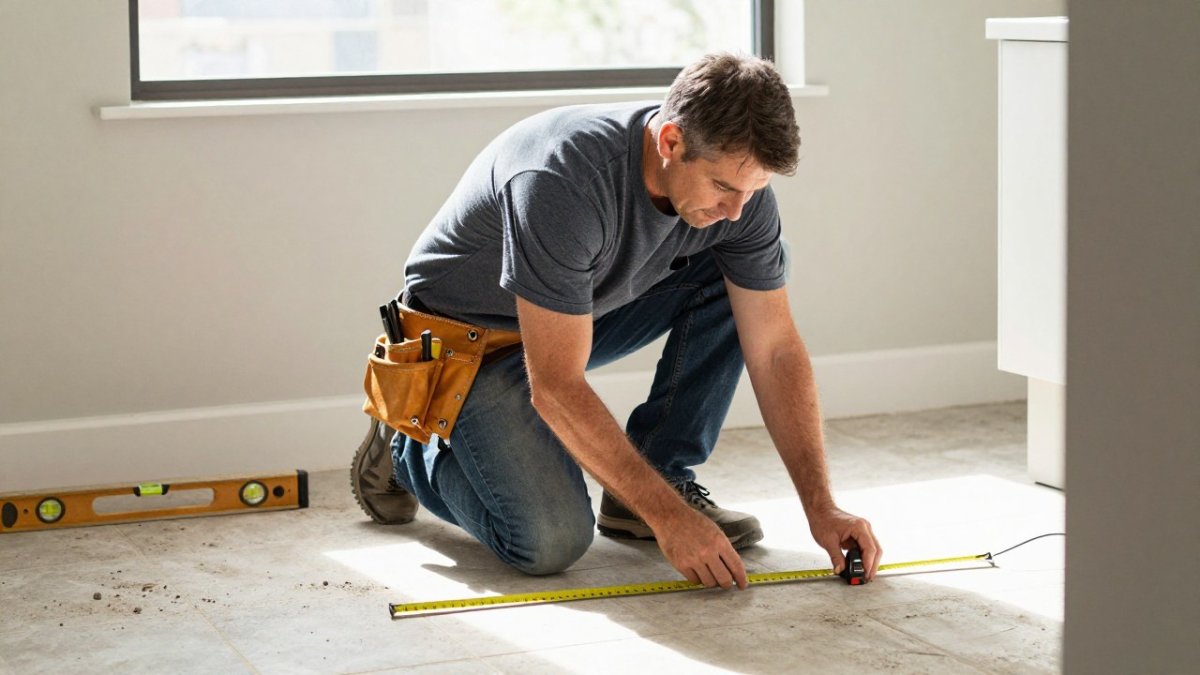
Measure your bathroom. You need:
- The overall dimensions (length and width)
- The location of the toilet, sink, shower/tub, and any windows
- The height of the walls
You don't need professional precision; a tape measure and rough dimensions are enough. The contractor will take exact measurements, but a baseline helps them ask smarter questions.
Photograph the current bathroom too: wide shots, close-ups of problem areas (mold, outdated fixtures, poor ventilation), and what you want to keep or remove.
List Your Priorities and Pain Points
Write down what bothers you about your current bathroom and what matters most for the new one. Be specific.
Instead of "I want it to look nicer," try: "The shower has poor water pressure and the ventilation fan doesn't remove moisture, so the walls get moldy.
Instead of "We need more storage," try: "We have two people sharing this bathroom and nowhere to store toiletries. We need a medicine cabinet, a larger vanity with drawers, and maybe open shelving."
This list helps the contractor understand what's driving your project and keeps you focused when upgrades are suggested.
Understanding Your Bathroom Remodel Estimate
After the in-home consultation, the contractor provides a written estimate. A vague estimate creates conflict later when costs climb or scope changes, and with two or three estimates in hand, the lowest total is often not the lowest final cost. Here is how to read and compare them.
What a complete estimate includes
A solid estimate breaks down labor, materials, and timeline, lists what is included (demolition, new plumbing, tile work, painting) and what is not (permits, inspections, structural repairs if discovered), specifies materials by brand, model, and quantity, states start and completion dates, and names who pulls permits.
If the estimate is a single number with no breakdown, ask for detail. "We'll remodel your bathroom for $28,000" tells you nothing. "$28,000: $12,000 labor, $14,000 materials (tile, fixtures, vanity), $2,000 permits and inspections" is actionable.
The line items that decide whether estimates are comparable
Two estimates can differ by thousands and still describe the same bathroom. Before comparing totals, check these six items:
- Scope boundaries. Does the estimate include demolition and haul-away? Drywall repair after plumbing moves? Painting? Trim and hardware? A missing line item is not savings; it is a future change order.
- Allowances. Many estimates list an allowance for tile, fixtures, or the vanity, meaning a placeholder amount you spend against. A lower tile allowance and a higher tile allowance can hide a significant difference in the real total. Compare allowances line by line, and ask what happens if you go over.
- Exclusions. Look for a stated exclusions list. Common ones are permits, asbestos or lead abatement in older homes, subfloor repair, and moving plumbing or electrical. Exclusions are not dishonest, but they must be visible so you can price them.
- Labor versus materials split. A materials-heavy estimate with thin labor may signal a crew that subs out the work or cuts corners on prep. A labor-heavy estimate may include more site protection and waterproofing labor, which is where durability comes from.
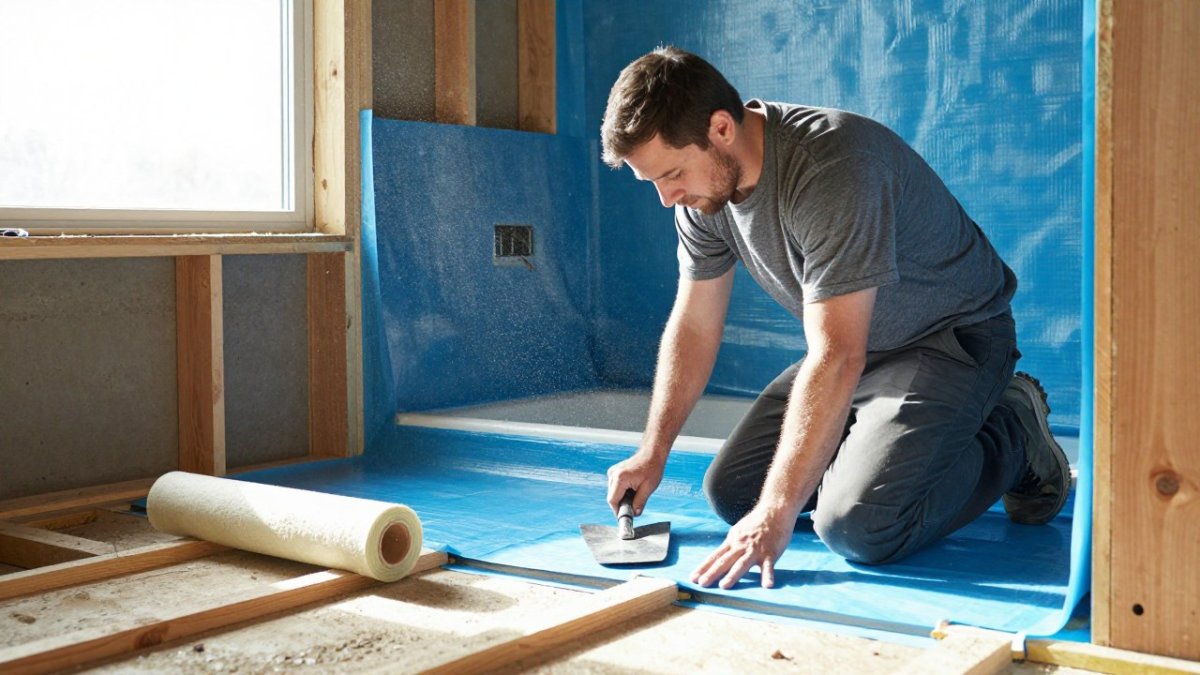
- Waterproofing and substrate. Ask specifically what waterproofing system is specified and whether the estimate includes replacing the substrate (cement board or foam board) versus tiling over existing surfaces. Tiling over old substrate is cheaper and shorter-lived.
- Change-order terms. Ask how change orders are priced: hourly, flat fee, or a percentage markup on materials. Get the rate in writing. The change-order rate is often the single biggest driver of final cost overrun.
How to build a comparison sheet
Put each estimate in the same format so differences are visible: a spreadsheet with one column per contractor and one row per line item (demolition, plumbing, electrical, framing and substrate, waterproofing, tile labor, tile material, fixtures, vanity and countertop, lighting and ventilation, painting, permits, cleanup, contingency, total). Where an estimate is silent, mark it "not stated" rather than zero; silence is not the same as included.
Reading the price range honestly
A bathroom remodel ranges widely by scope, finishes, and whether plumbing or electrical moves. When one estimate is far below the others for the same scope, ask what was left out; when one is far above, ask what it includes that the others don't, such as better waterproofing, a longer labor warranty, or higher-grade materials.
What to ask before you sign
- Which items are allowances, and what are the current allowance amounts?
- What is the change-order rate and how is it calculated?
- Who pulls the permits, and are permit fees included?
A good contractor answers these without hesitation and puts the answers in the estimate. If the answers only exist in conversation, ask for them in writing before you compare.
Bathroom Remodel Timeline: What to Expect
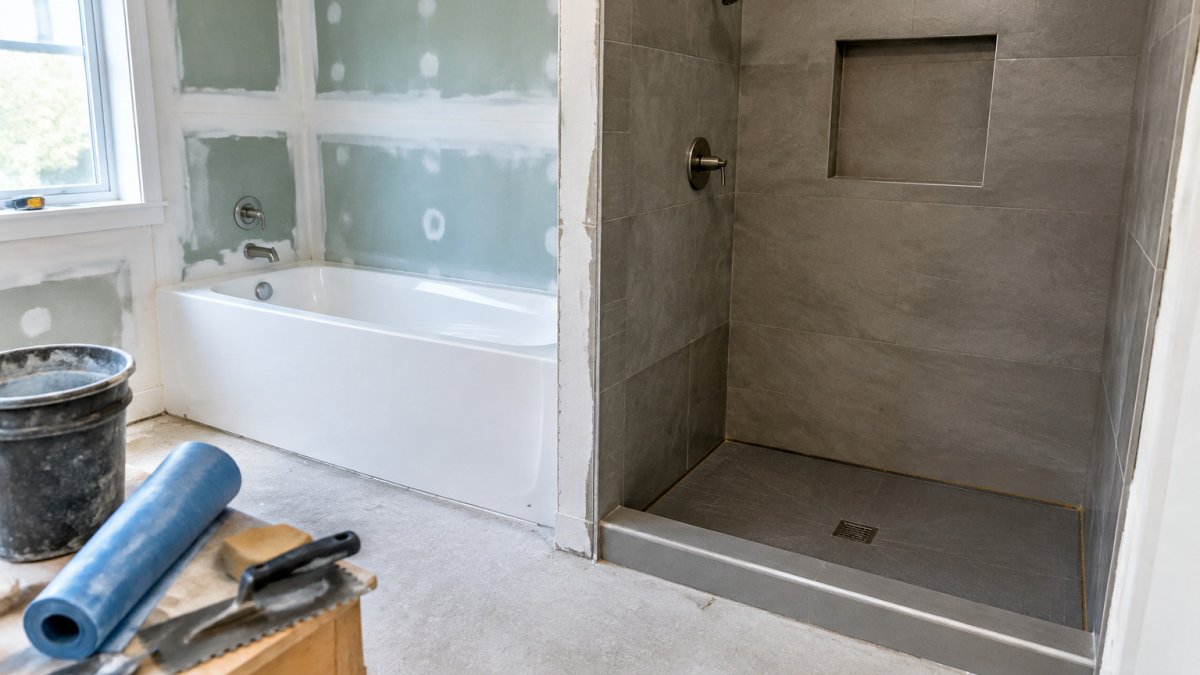
Most bathroom remodels take 4-8 weeks depending on scope and whether the contractor uncovers structural issues. A simple update (vanity, fixtures, paint, flooring) might take 3-4 weeks; a full gut with plumbing and electrical typically runs 6-8 weeks.
The timeline affects your daily life. If it's your only bathroom, you need to know how long you'll be without it.
Delays happen: plumbing surprises, structural issues, material backorders. A realistic contractor builds a small buffer into the timeline and communicates clearly if something pushes the schedule.
Here's what to expect for project duration based on scope and complexity.
| Project Type | Typical Duration | Notes |
|---|---|---|
| Simple update (vanity, fixtures, paint, flooring) | 3-4 weeks | Lower complexity, fewer trades |
| Full gut with plumbing and electrical | 6-8 weeks | Structural changes, higher complexity |
| Most bathroom remodels | 4-8 weeks | Depends on scope and hidden issues |
| In-home consultation visit | 45-90 minutes | Contractor measures, photographs, assesses |
| Written estimate delivery | Within one week | Typical timeframe after consultation |
What Happens During Your In-Home Consultation
The contractor arrives with a tape measure, camera, and notepad and spends 45 minutes to an hour walking the bathroom, asking questions, and taking photos and measurements.
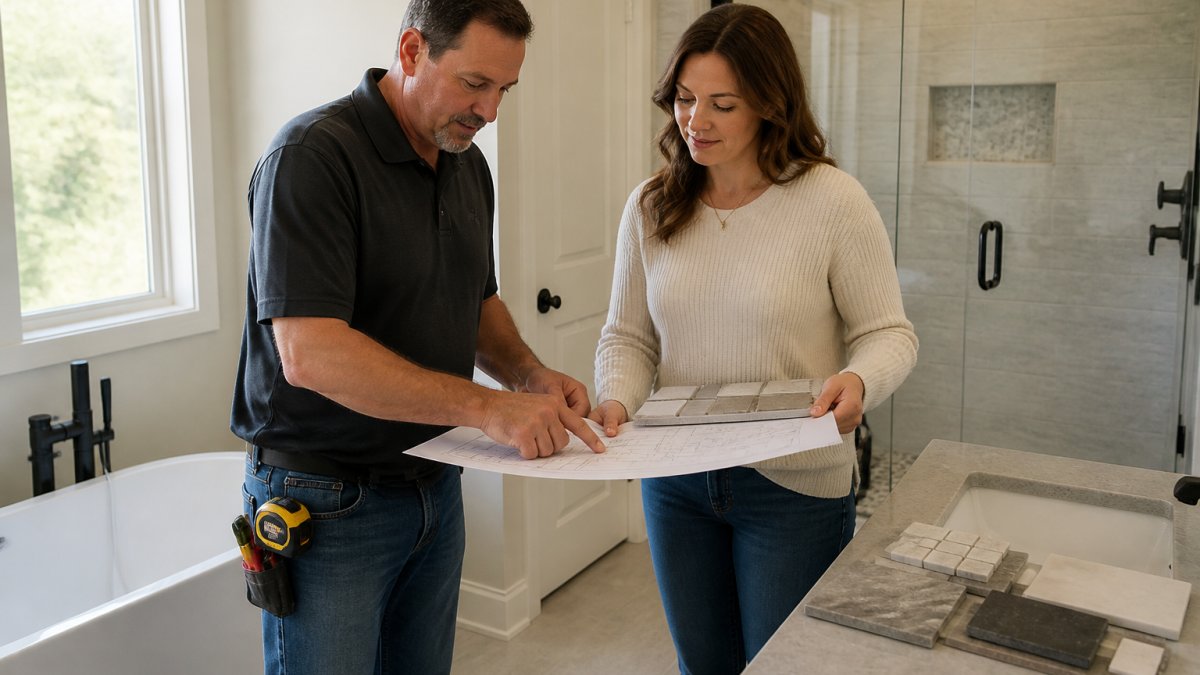
They'll examine the plumbing, check drainage, look for moisture damage or mold, and assess walls and floor, asking about water pressure, past leaks, and ventilation to build a complete picture.
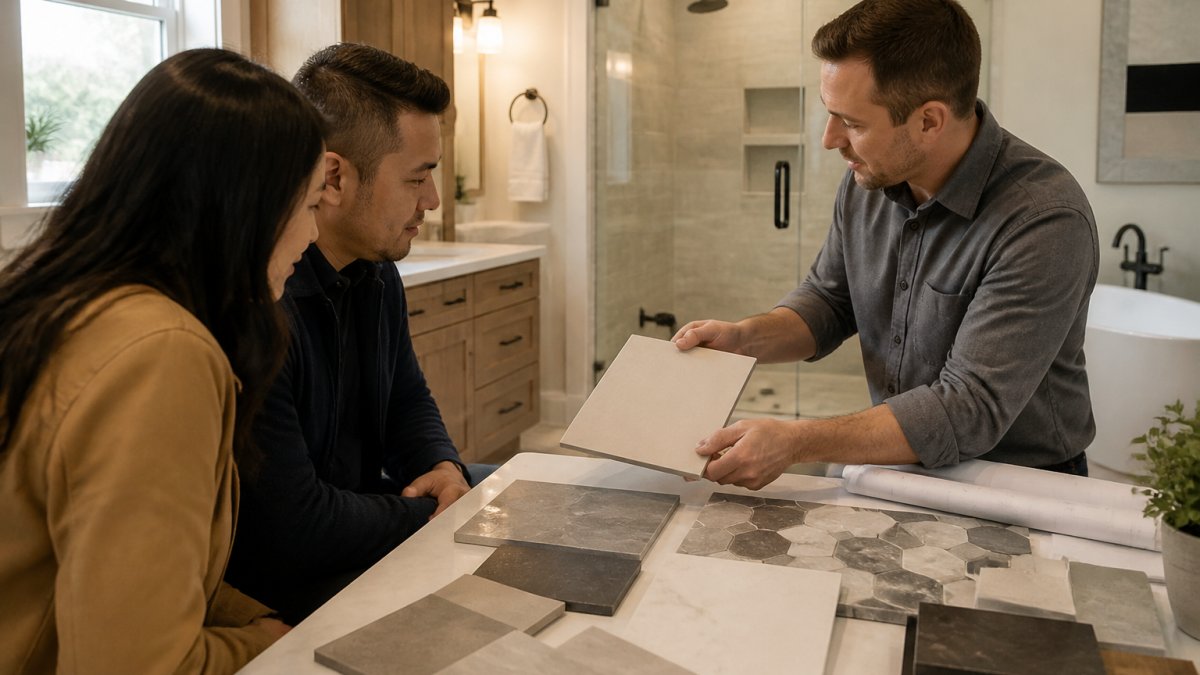
They'll walk through your design photos and priorities, explaining what's possible, what's challenging, and the trade-offs.
Booking Your Free Bathroom Renovation Consultation
Most contractor pages stop at "call us for a free estimate," leaving the booking process vague. Here is the sequence that works.
Step 1: Build a shortlist before you call anyone
Start with three to five contractors, not one. Pull candidates from referrals, manufacturer dealer locators (many tile, fixture, and cabinetry brands list certified installers by ZIP code), and state or local licensing lookup tools. Before you dial, confirm each holds an active license and carries general liability and workers' compensation coverage. Ask for the license number and certificate of insurance, and verify both independently rather than taking a verbal yes.
Step 2: Make the first contact a screening call
Keep the first call to 10-15 minutes; you're screening, not designing. Cover four things: whether they take projects in your size and budget range, how far out they're booking, whether the in-home visit is free and no-obligation, and how long after the visit a written estimate arrives. A contractor who can't answer those clearly on the phone won't be clearer in person.
Step 3: Schedule with the right information ready
Contractors commonly book in-home consultations one to three weeks out, busy ones longer. Have three or four specific time windows ready rather than asking "when can you come?" Give the scheduler the project type (full gut, partial update, or fixture-only swap), approximate size, and whether it's your only bathroom. A single-bathroom household needs a contractor who can plan temporary facilities or phased work, and not every crew handles that.
Ask two scheduling questions before you hang up:
- Who will attend the visit? You want the person who will actually scope the work, not only a sales representative. If a salesperson visits and a separate project manager builds the estimate, ask whether the estimator will also walk the space.
- How long is the visit? A realistic in-home consultation runs 45-90 minutes. A 15-minute visit is a sales call, not an assessment.
Step 4: Confirm the terms in writing
Before the visit, get a short email or text confirming the date, time, arrival window, and whether the consultation is free. If there's a fee, confirm the amount and whether it's credited toward the project if you hire them. Ask about the cancellation policy: notice required and whether a no-show or late cancellation carries a charge.
Step 5: Prepare a confirmation packet
Send a one-page summary before the visit: priorities, rough measurements, photos of the current bathroom, and inspiration images. Contractors who receive this in advance arrive with better questions and often bring relevant samples. It also signals you're a serious buyer, which tends to move you up the schedule when crews are booked out.
Step 6: Set expectations for what comes next
At the end of the visit, confirm three dates in writing: when the written estimate will arrive, when you should respond with questions, and the earliest realistic start date if you approve. If the contractor says "a few weeks," ask why and whether a ballpark range can come sooner so you can keep comparing.
Step 7: Follow up on a schedule, not on impulse
If the estimate hasn't arrived by the promised date, send one polite follow-up. If there's still no response a few business days later, treat that as your answer and move on.
Revo Kitchen and Bath offers free in-home consultations with no obligation. We walk the space, discuss your priorities, and give you a realistic sense of timeline and scope, with a detailed written estimate typically within a week so you can review and compare.
Frequently Asked Questions
What should I bring to a bathroom renovation consultation?
Bring photos of bathrooms you like, your current bathroom measurements or floor plan, a list of must-haves, and information about any existing plumbing or structural issues. If you have a specific timeline in mind or know about past water damage or mold, mention that too. Having this information ready helps the contractor provide a more accurate bathroom remodel estimate during the visit.
What questions should I ask a bathroom contractor during the consultation?
Ask about their experience with projects similar to yours, whether they handle permits and inspections, their warranty on workmanship, how they handle unexpected issues, their typical bathroom remodel timeline, and whether they use licensed subcontractors. Also ask about their process for handling moisture and waterproofing, especially important if you've had mold or water damage before. Request references from recent clients and confirm they're licensed and insured.
Is a bathroom renovation consultation free?
Most professional bathroom contractors, including Revo Kitchen and Bath, offer free no-obligation consultations. This gives you a chance to discuss your project, get professional advice, and receive an initial assessment without cost. The contractor will measure your space, understand your vision, and provide a written estimate. There's no pressure to move forward, it's an opportunity to evaluate whether they're the right fit for your project.
How long does a bathroom remodel consultation typically take?
A thorough in-home bathroom renovation consultation usually takes 45 minutes to 1.5 hours, depending on the scope of your project and how many questions you have. The contractor will measure your bathroom, discuss your design preferences, assess any structural or plumbing considerations, and answer your questions. Schedule it when you have time to talk without rushing so you can make the most of the professional's expertise and get detailed answers about your bathroom remodel timeline and estimate.
Preparing for a bathroom renovation consultation takes a few hours but saves weeks of confusion later. Gather photos, document your space, list your priorities, and ask the right questions before you book. When the contractor arrives, you'll have a productive conversation instead of a generic sales pitch. That's when real planning starts, and that's when you move from "thinking about a remodel" to actually building one.