 blog
How to Choose Fibo Wall Panels or Tile for a Bathroom
Last Updated: October 30, 2026
Quick Summary
Fibo wall panels are rigid, factory-made laminate sheets that form a continuous, grout-free surface, while traditional tile is individual pieces set in adhesive with grout between them. Panels involve fewer wet-trade steps and avoid grout maintenance, but both systems need a flat, sound wall to perform well.
- Tile relies on grout lines and sealant to keep water out, while Fibo panels have fewer joints for moisture to find.
- Panels arrive factory-finished and skip most wet-trade steps like setting, curing, and grouting.
- Both tile and panels fail on out-of-flat or out-of-plumb walls, so check the substrate before choosing.
- A single damaged tile can usually be replaced, while a damaged panel is typically replaced as a whole section.
- Confirm warranty terms in writing and check that replacement panels in your finish will remain available.
Table of Contents
- What Fibo Wall Panels and Traditional Tile Actually Are
- Installation Time, Labor, and Substrate Preparation
- Waterproofing, Mold Resistance, and Grout Maintenance
- Fibo Wall Panel Installation Cost vs. Tile Costs
- Durability, Repairability, and Long-Term Performance
- Best Waterproof Panels for Kitchen Backsplashes and Where Fibo Fits
- Booking a Wall Assessment With Revo Kitchen and Bath
- Frequently Asked Questions
What Fibo Wall Panels and Traditional Tile Actually Are
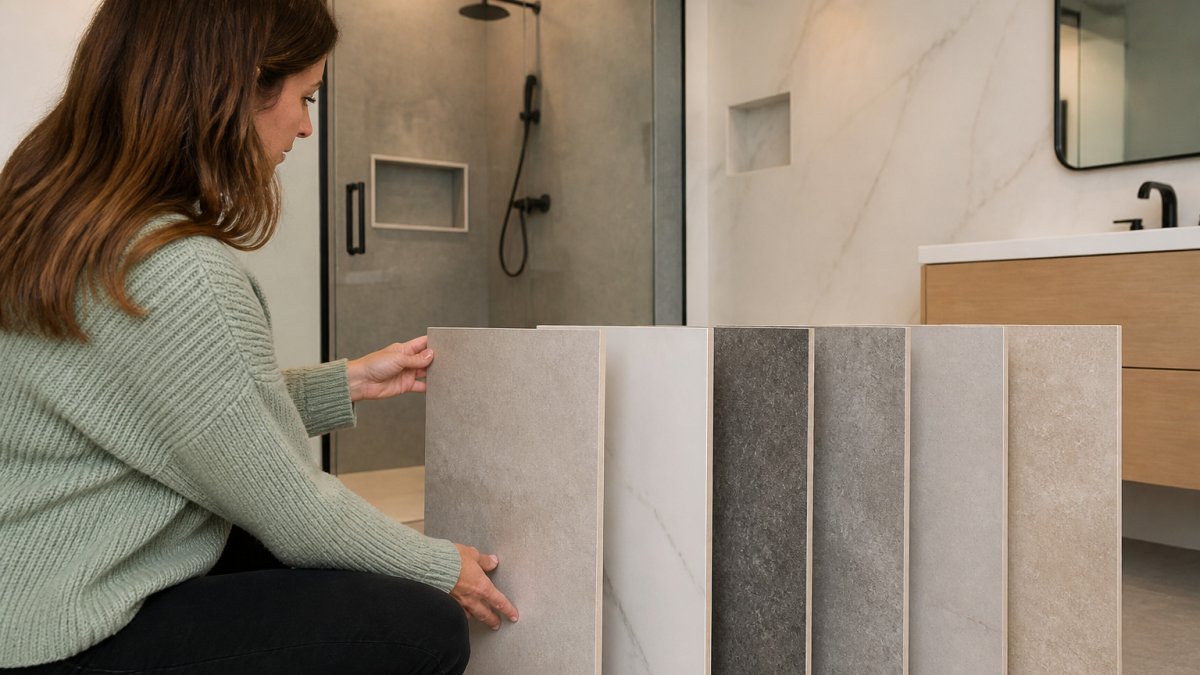
Fibo wall panels are rigid, factory-made laminate sheets that clip or fasten onto a bathroom wall, forming a continuous, grout-free surface. Traditional tile is individual ceramic or porcelain pieces set in adhesive, with the seams filled by grout. Both can finish a shower or bath surround, but they get there in very different ways.
The real difference is what fills the gaps. Tile depends on grout lines and sealant to keep water out, while Fibo panels rely on a seamless surface with fewer joints for moisture to find. Revo Kitchen and Bath, which installs FIBO wall panels across Southwest Washington, has seen homeowners weigh this choice for both new builds and conversions.
Installation Time, Labor, and Substrate Preparation
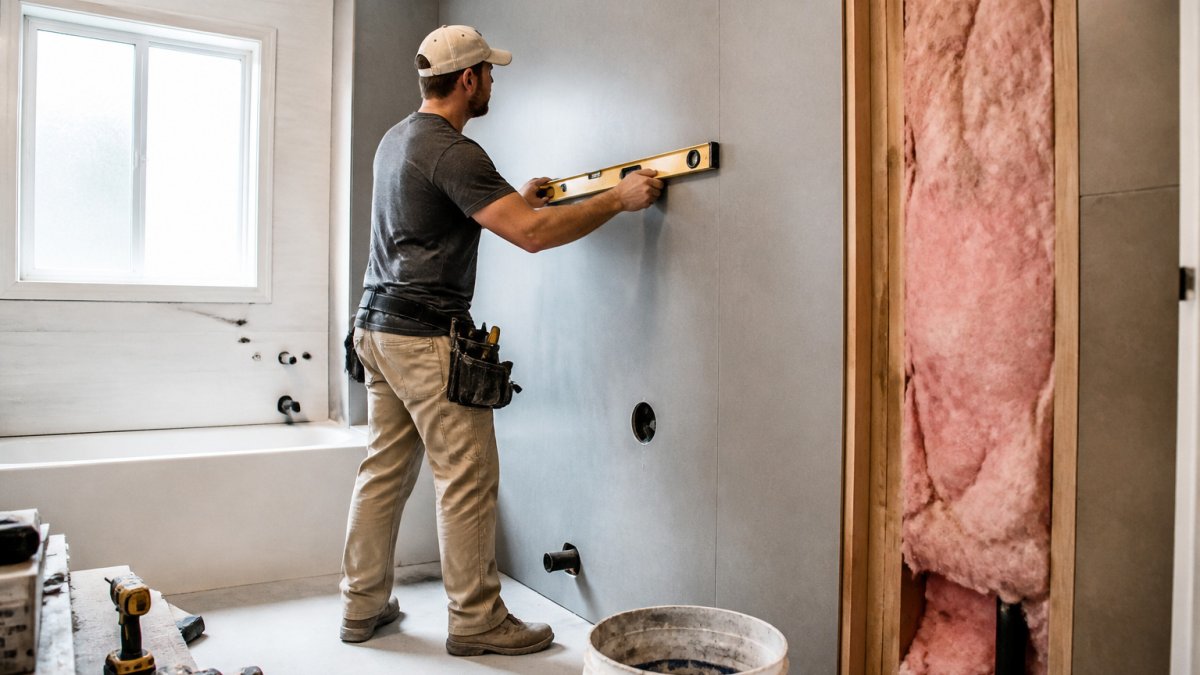
Tile requires cutting each piece, back-buttering and setting it, waiting for adhesive to cure, then grouting and sealing. Panels arrive factory-finished and are cut to size, fastened or clipped to the wall, and sealed at the joints, most of the wet-trade steps disappear.
Labor is where the two systems diverge most. Tile work is hand-intensive and depends heavily on the installer's skill; a good setter produces tight, level joints, and a poor one produces lippage and cracked grout within a season. Your final cost depends on your project's size, the condition of your walls, and local labor rates, so ask for a written quote that separates material from labor.
Why Substrate Condition Matters for Both Options
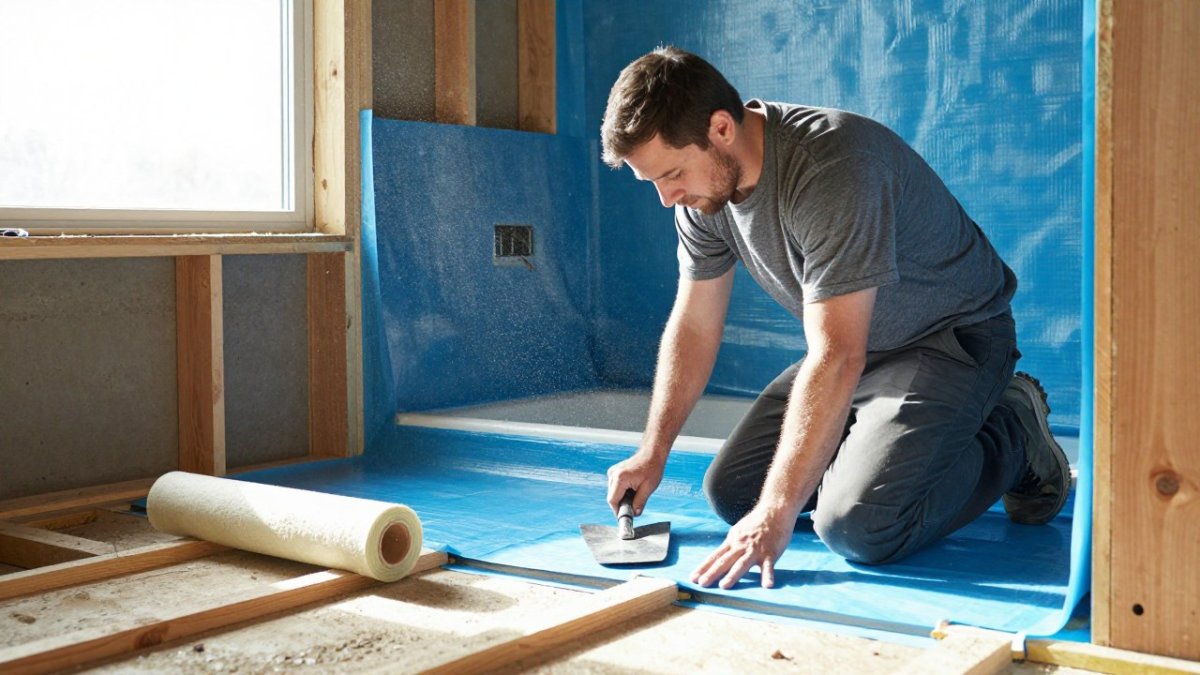
Neither system forgives a bad substrate, and this is the step most comparison articles skip. Walls must be flat, plumb, and structurally sound before either material goes up.
- Tile needs a solid, level base, typically cement backer board or a bonded waterproof membrane, to avoid cracked grout, popped pieces, and lippage. The substrate also has to be rigid; deflection in the wall framing telegraphs through to the tile face.
- Panels need a clean, flat surface so the sheets seat properly and the edge seals close. Most panel systems tolerate only a small amount of wall variation before the joints gap or the panel face bows. Out-of-plumb corners are the most common failure point.
Plan for any repairs to the wall framing or backer board before the project begins. A common pattern is that a bathroom quoted as a 'quick panel swap' turns into a framing repair once the old tile comes off and the wall behind it is found wet or out of square. Budget for a wall assessment before you commit to either material.
DIY vs. Professional Installation
Panels are the more DIY-friendly of the two because they avoid thinset, grout, and cure times, but they are not tool-free. You still need accurate measuring, a fine-tooth blade for clean cuts, and careful sealing at every joint and penetration. Tile is rarely a good first DIY project in a wet area, waterproofing mistakes hide behind the finish and show up as rot months later. If you are weighing DIY panels against a professional install, get the wall condition checked first; that single step decides whether the project is a weekend job or a rebuild.
Here is how the two systems compare on the work involved and what each needs from the wall beneath it.
| Item | Tile | Fibo panels |
|---|---|---|
| Install steps | Cut, set, cure, grout, seal | Cut, fasten or clip, seal joints |
| Wet-trade steps | Most steps are wet trades | Most wet-trade steps disappear |
| Labor dependence | Heavily depends on installer skill | Fewer wet-trade steps |
| Wall requirement | Solid, level base, often backer board | Clean, flat surface |
| Main failure point | Lippage and cracked grout | Out-of-plumb corners and gapped joints |
| DIY suitability | Rarely a good first DIY project | More DIY-friendly, still needs careful sealing |
Waterproofing, Mold Resistance, and Grout Maintenance
Mold behind tile usually starts at the grout lines, where water penetrates over time. Fibo describes its panels as grout-free and designed for wet areas.
If you have dealt with moisture behind old tile, be cautious. A panel can cover a wall, but it will not fix a leak or wet framing underneath. Confirm the source of any past moisture problem is addressed before installing anything. Watch out: sealing over an active leak traps water and can cause far more damage than the original problem.
Grout maintenance is the tile trade-off. Grout discolors, cracks, and needs periodic resealing. Panels eliminate those seams, which means no regrouting.
Fibo Wall Panel Installation Cost vs. Tile Costs
Costs vary too much by region, material grade, and installer to quote a reliable number here. Panels involve material and installation charges, and a full shower enclosure may also require a new shower pan. Tile involves materials, adhesive, grout, sealant, and often more labor hours.
Pricing depends on project size, materials, and labor. Revo Kitchen and Bath provides pricing through a free quote, and that is the most reliable way to compare your specific bathroom against tile.
Durability, Repairability, and Long-Term Performance
Check the manufacturer's warranty terms in writing before choosing a system. Check the warranty terms in writing, including what is covered, what voids it, and whether coverage is prorated. A warranty is only as good as the installation behind it, most panel and tile failures trace back to substrate or sealing errors, not the finish material itself.
What Happens When Something Breaks
Repairability is where the two systems genuinely differ, and it is the question most homeowners ask after the first chip.
- Tile: a single cracked or chipped tile can usually be removed and replaced. The catch is matching the dye lot, tile from a different batch can read as a slightly different shade, and the repair disturbs the grout around it, so you may end up regrouting a small area. Keep a few spare tiles from the original order.
- Panels: a damaged panel is typically replaced as a section rather than patched. Because the panels interlock and seal at the joints, a repair means removing the affected sheet and reseating a new one, which is cleaner than patching tile but requires matching the finish and redoing the joint seals. A deep impact can crack the surface; surface scuffs usually clean off.
Ask your installer how they handle individual section repairs before committing, and confirm whether replacement panels in your finish will still be available in five or ten years. That availability question is the real long-term risk with any panel system.
The 'Hollow' Feel and Acoustic Differences
A common concern is that panels sound hollow compared to tile. That is a function of what is behind them: tile is bonded to a rigid substrate, while panels are fastened over the wall with an air gap in some systems. The practical effect is a slightly different tap tone and, in some installations, more sound transmission through the wall. If acoustic separation matters, a bathroom shared with a bedroom, for example, discuss insulation behind the panels with your installer. Thermal performance is similar: neither finish adds meaningful insulation value on its own; that comes from the wall assembly.
Resale Value Impact
Resale value depends on the overall finish quality and the buyer's expectations. A well-installed panel system in a clean, current finish reads as a modern, low-maintenance upgrade; a poorly installed one with visible joints or mismatched sections reads as a cheap fix. The same is true of tile, a dated tile job can hurt a sale as much as a bad panel job. No reliable comparative data was available for this article, so treat resale as a function of installation quality and finish choice rather than the material category alone.
Best Waterproof Panels for Kitchen Backsplashes and Where Fibo Fits
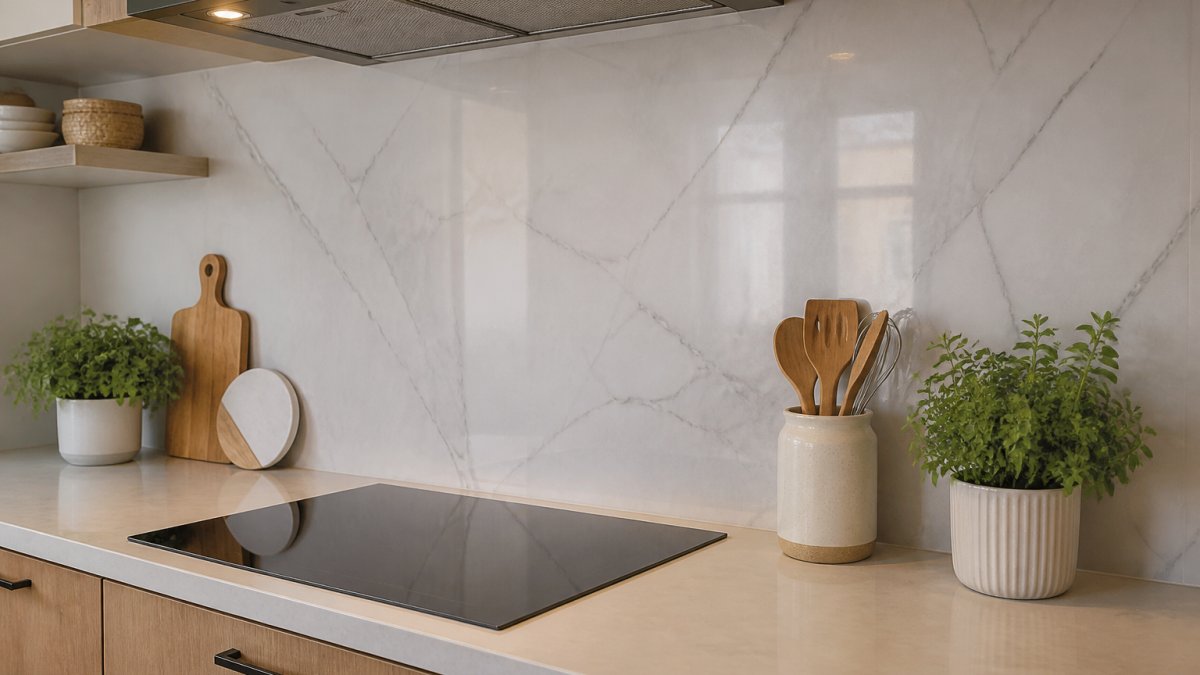
Fibo is designed primarily for wet areas such as showers, tubs, and bathroom walls. Kitchen backsplashes have different demands, including heat, grease, and frequent contact with food prep, so evaluate any panel product against those specific conditions before choosing it for a backsplash.
Booking a Wall Assessment With Revo Kitchen and Bath
The right choice depends on your bathroom's walls, your budget, and how you use the space. Revo Kitchen and Bath, led by a third-generation builder with more than 30 years of hands-on experience, specializes in FIBO wall panels, shower conversions, and bathroom renovations. Get a free quote to compare your options with a professional who will inspect your walls in person.
Frequently Asked Questions
Are Fibo wall panels cheaper than tile?
The answer depends on the project. Panels avoid tile-by-tile setting and grouting, which can affect installation labor. However, forum estimates for a five-panel Fibo kit plus a shower pan are not paired with verified tile estimates, so a fair comparison needs quotes for both options covering materials, labor, and any substrate work. Pricing depends on wall size, layout, and fixtures, so request a written estimate from Revo Kitchen and Bath for your specific bathroom.
Do Fibo wall panels require grout?
Fibo wall panels are marketed as grout-free systems. Because the panels join with seams designed to be sealed rather than grouted, there are no grout lines that can discolor or hold mold the way tile grout can. Routine cleaning is still needed, and the seams and fixtures should be checked periodically for sealant wear.
How long do Fibo wall panels last compared to tile?
Manufacturers' warranty terms should be reviewed before you choose either material. Tile can also last decades when installed correctly, and its lifespan depends heavily on the substrate, waterproofing behind it, and grout maintenance. Lifespan claims from manufacturers should be weighed against the installation quality, and warranty terms should be reviewed before you choose either material.
Are Fibo wall panels 100% waterproof?
Fibo describes its panels as waterproof and grout-free, and they are designed for wet areas such as showers and tub surrounds. No wall covering removes the need for a properly prepared substrate and correct installation, though. Water can still get behind any system through failed seals or poor preparation. Revo Kitchen and Bath specializes in durable, waterproof wall solutions.