 blog
Best Waterproof Panels for Kitchen Backsplashes
Table of Contents
- Why Waterproof Panels Matter for Kitchen Backsplashes
- PVC Kitchen Backsplash Panels: Affordable and Water-Resistant
- FIBO Wall Panels: Premium Durability and Moisture Protection
- Material Comparison: Backsplash Panels vs. Tile
- Kitchen Backsplash Panel Installation: Seams, Heat, and Edges
- Heat Resistance and Safe Stove Clearances
- Cleaning, Maintenance, and Long-Term Performance
- Frequently Asked Questions
Last Updated: October 21, 2026
Why Waterproof Panels Matter for Kitchen Backsplashes
A kitchen backsplash takes constant punishment. Splashing water, cooking grease, steam, and temperature swings create an environment where standard drywall fails fast. Moisture seeps behind tile grout, mold spreads, and your wall deteriorates from the inside out. This is where waterproof panels for kitchen backsplashes become essential.
At Revo Kitchen and Bath, we understand the challenges homeowners face with traditional backsplashes. The real issue isn't the tile itself, it's what happens behind it when moisture finds its way through grout lines and seams.
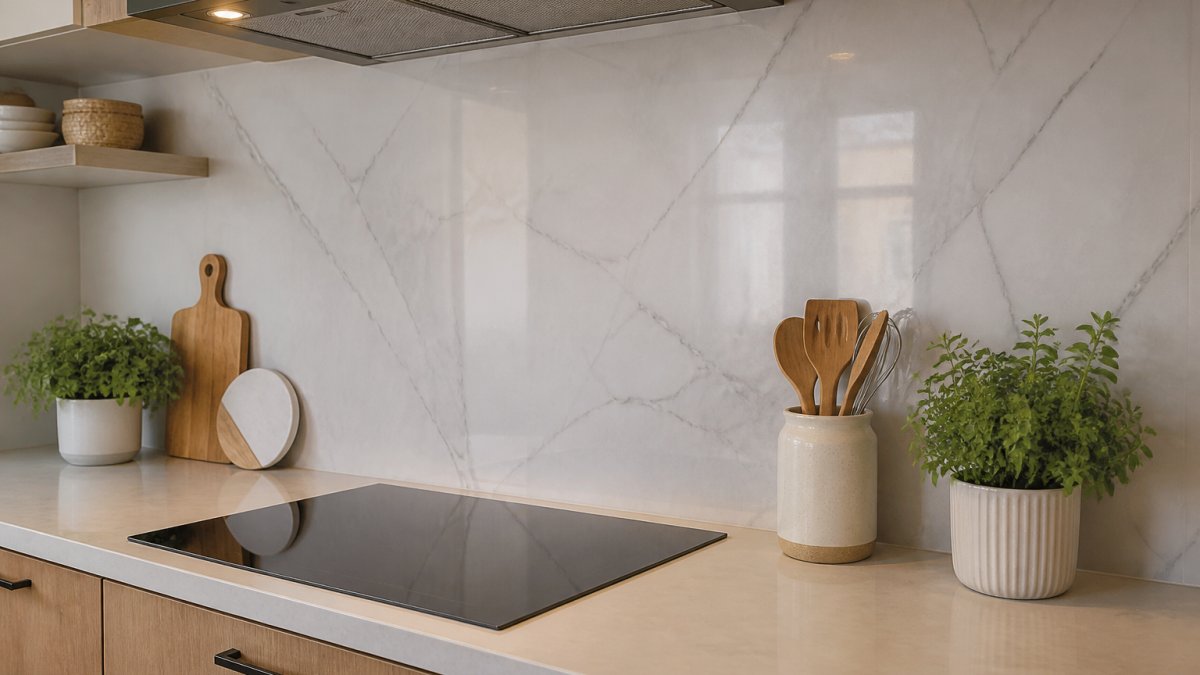
Waterproof panels eliminate that vulnerability entirely. They create a seamless moisture barrier that protects your walls, prevents mold growth, and lasts significantly longer than conventional backsplash materials. The best waterproof panels for kitchen backsplashes combine durability with ease of installation and cleaning, making them the smarter choice for modern kitchens.
PVC Kitchen Backsplash Panels: Affordable and Water-Resistant
PVC panels stand out as the most practical option for budget-conscious homeowners. These lightweight, rigid panels resist moisture completely and install quickly without specialized tools or extensive preparation.
PVC kitchen backsplash panels come in sheet form or as interlocking tiles. The sheets typically measure 36 inches wide by 96 inches tall, covering large areas in a single installation. They attach directly to existing drywall using construction adhesive or mechanical fasteners. The material itself contains no pores, water simply runs off rather than soaking in.
What makes PVC attractive is the low maintenance requirement. Unlike tile that requires grout sealing and periodic re-grouting, PVC panels wipe clean with a damp cloth. Grease, water stains, and cooking splatters disappear easily. The wipeable surface resists staining and stays looking new with minimal effort.
Installation typically takes one to two days for an average kitchen backsplash. You measure, cut openings for outlets and switches, apply adhesive, and press the panels into place. Seams require careful attention, properly sealed seams prevent water from entering behind the panels. Most installers use silicone caulk rated for kitchen use to seal all edges and transitions.
The main limitation of PVC is aesthetic. While manufacturers offer various colors and finishes, PVC never quite matches the visual richness of natural materials like stone or wood. Some homeowners find it looks too plastic-like for their design preferences.
FIBO Wall Panels: Premium Durability and Moisture Protection
FIBO wall panels represent the premium tier of waterproof backsplash solutions. These panels combine superior moisture protection with a more finished appearance than basic PVC options.
FIBO panels are engineered specifically for wet environments. They handle temperature fluctuations without warping or expanding, making them ideal for areas near stoves where heat varies dramatically throughout the day.
Installation of FIBO panels follows similar principles to PVC but often requires more precision. The panels are slightly heavier and more rigid, which means careful measurement and alignment matter more. Seams must be sealed with waterproof silicone to create a continuous moisture barrier. When installed properly, FIBO panels create a seamless wall surface that looks significantly more polished than standard PVC.
Durability is where FIBO panels shine. The surface resists impact damage better than PVC, which matters in active kitchens where accidents happen.
The investment in FIBO panels pays off through longevity and reduced maintenance. For homeowners planning to stay in their homes or investors looking to increase property value, this durability justifies the higher upfront cost.
Material Comparison: Backsplash Panels vs. Tile
Choosing between waterproof panels and traditional tile involves understanding the real trade-offs. Each approach excels in different situations.
| Material | Water Resistance | Heat Tolerance | Cleaning | Durability | Installation Time |
|---|---|---|---|---|---|
| Waterproof Panels | Excellent | Good | Easy | 15-20 years | 1-2 days |
| Ceramic Tile | Good | Excellent | Moderate | 10-15 years | 3-5 days |
| Glass Sheets | Excellent | Good | Very Easy | 20+ years | 2-3 days |
| Metal Panels | Excellent | Excellent | Easy | 15-25 years | 1-2 days |
Tile remains popular because it handles heat directly from stovetops better than panels. Ceramic tile can sit inches from a flame without damage. Most waterproof panels require a minimum clearance of 6-12 inches from direct heat sources. If your stove sits flush against the backsplash, tile is the safer choice.
Panels win on maintenance. Tile grout traps bacteria, requires periodic sealing, and eventually cracks or stains. Panels have no grout lines, no hidden spaces for mold or bacteria to hide. A quick wipe-down keeps them looking new.
Installation speed favors panels. Tile requires mortar, grout, curing time, and careful spacing. Panels attach directly to the wall and are ready to use immediately. For homeowners who want their kitchen functional again quickly, panels are the practical choice.
Water penetration is where panels truly outperform tile. Water finds its way through grout lines and sits behind tile, eventually causing damage. Panels create a sealed barrier that prevents water from reaching the wall structure underneath.
Glass, Metal, and Acrylic Options
Glass sheets offer premium aesthetics with excellent moisture protection. They're completely non-porous, resist staining, and create a sleek, modern look. Glass backsplashes work particularly well in contemporary kitchens where clean lines matter. The trade-off is cost, glass typically runs higher than standard panels, and the need for professional installation to ensure proper sealing at edges and seams.
Metal backsplash panels, usually stainless steel or aluminum, provide industrial appeal and exceptional durability. Metal resists heat better than any other panel option, making it ideal for kitchens with open flames or high-heat cooking. Metal is also extremely easy to clean and resists staining from oils and acids. The main consideration is noise, metal can amplify kitchen sounds, and the potential for fingerprints or water spots that show easily on shiny finishes.
Acrylic panels fall between PVC and premium options in terms of cost and performance. They're more rigid than basic PVC, resist yellowing better, and offer a slightly more refined appearance. Acrylic maintains flexibility in temperature changes better than rigid panels, reducing the risk of warping. For kitchens with moderate moisture exposure, acrylic provides a good balance of durability and affordability.
Kitchen Backsplash Panel Installation: Seams, Heat, and Edges
Proper installation determines whether your waterproof panels actually protect your walls or fail prematurely. The details matter more than most homeowners realize.
Start with surface preparation. The wall must be clean, dry, and free of loose paint or debris. Any imperfections in the wall surface will create gaps behind the panels, allowing water to penetrate.
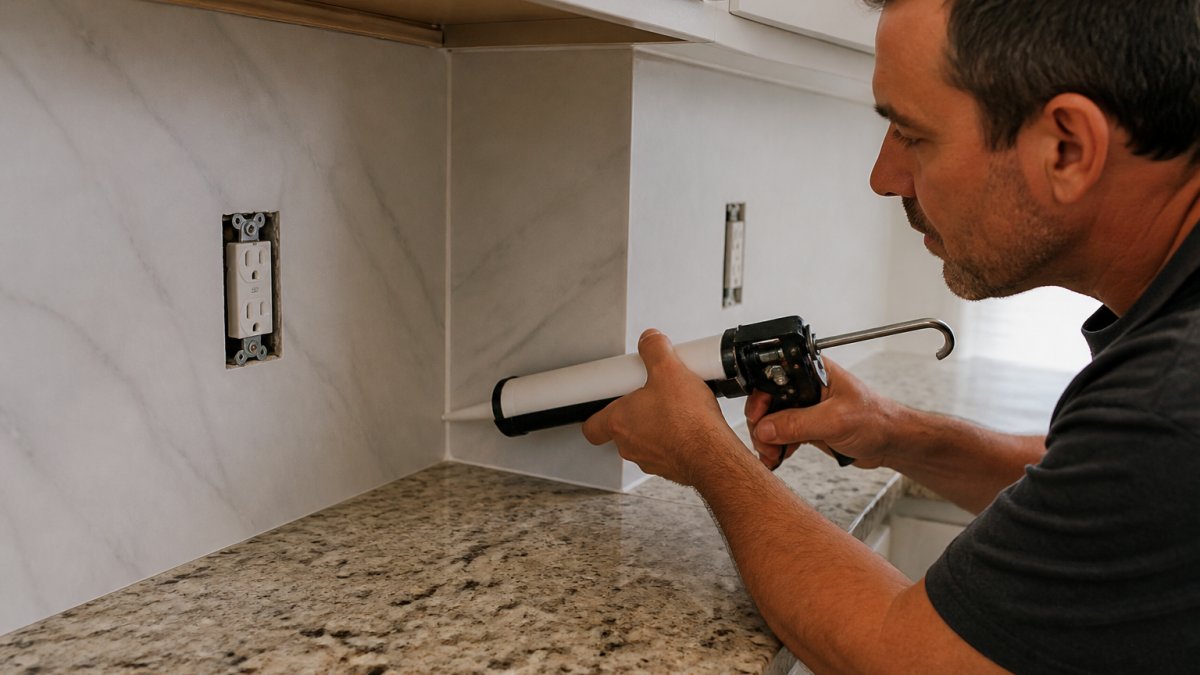
Seams represent the most critical installation element. Where two panels meet, water will find its way through if the seam isn't sealed properly. Use 100% silicone caulk rated for kitchen use, not paintable caulk or standard caulk.
Edges require the same attention as seams. Where panels meet the countertop, wall, or cabinet, seal with silicone caulk. Edges are where water most commonly enters, so don't skimp on this step. The seal should be smooth and continuous with no gaps or voids.
Outlet and switch cutouts need careful planning. Mark the location precisely before cutting, and cut openings slightly larger than the actual outlet box, this allows room for adjustment. After installation, caulk around the outlet trim ring to seal the gap between the panel and the electrical box.
Heat clearance matters more than many installers acknowledge. Most waterproof panels should sit at least 6-12 inches away from direct flame or high-heat cooking surfaces. Check the manufacturer's specifications for your specific panels.
Heat Resistance and Safe Stove Clearances
Understanding heat tolerance prevents costly mistakes and potential safety issues. Different panel materials handle heat differently, and installing the wrong material in a high-heat zone creates problems.
Standard PVC panels typically tolerate sustained temperatures up to 140-160°F before softening or warping. A kitchen stove generates surface temperatures of 300-400°F during cooking. This massive difference means PVC panels must maintain distance from the stove. Most manufacturers recommend a 12-inch minimum clearance from the cooktop surface.
FIBO panels are engineered for higher temperatures and often tolerate sustained heat up to 180-200°F. This improved heat tolerance extends the safe clearance distance slightly, but still requires 6-12 inches from direct heat sources depending on the specific product.
Ceramic tile and metal panels excel in high-heat applications. Ceramic tile handles direct contact with stove surfaces without degradation. Metal panels are equally heat-resistant and actually dissipate heat more efficiently than tile. If your kitchen design places the backsplash immediately above or beside your cooktop, these materials are the safer choice.
The practical solution for kitchens with tight stove placement is a hybrid approach. Install heat-resistant tile or metal panels in the high-heat zone directly behind and beside the stove. Extend waterproof panels outward to cover the remaining backsplash area. This strategy gives you the best of both approaches, maximum heat protection where it matters most, combined with the practical advantages of panels elsewhere.
Cleaning, Maintenance, and Long-Term Performance
The real advantage of waterproof panels emerges over time through dramatically reduced maintenance compared to tile and grout.
Waterproof panels require only basic cleaning. A damp cloth with mild soap removes grease and cooking splatters. For stubborn stains, use a soft-bristle brush with gentle pressure. Avoid abrasive scrubbers or harsh chemicals that might damage the surface finish.
Tile backsplashes demand more intensive maintenance. Grout lines trap bacteria, grease, and discoloration. Homeowners typically need to scrub grout monthly and re-seal it annually. Over time, grout cracks, stains permanently, or develops mold despite best efforts.
Waterproof panels don't develop these problems. There are no grout lines, no porous surfaces where bacteria hide, and no cracks that spread over time. The wipeable surface resists staining from oils, acids, and everyday cooking mess.
Durability expectations vary by material. Quality waterproof panels typically last 15-20 years with normal kitchen use. FIBO panels often exceed 20 years. Tile backsplashes typically last 10-15 years before grout issues or cracking becomes problematic.
Long-term performance also depends on installation quality. Properly sealed seams and edges prevent water from entering behind the panels. Poorly sealed installations fail faster as moisture finds its way through gaps and compromises the wall structure.
Choosing the best waterproof panels for kitchen backsplashes means balancing durability, heat tolerance, maintenance requirements, and your kitchen's specific conditions. For most homeowners, waterproof panels outperform traditional tile through superior moisture protection, easier cleaning, and faster installation.
At Revo Kitchen and Bath, we specialize in FIBO wall panels and other premium waterproof solutions for kitchens and bathrooms throughout the region.
Frequently Asked Questions
Are waterproof panels suitable for behind a kitchen stove?
Most waterproof panels are heat-resistant, but placement matters. PVC and acrylic panels typically withstand temperatures up to 180-200°F with proper clearance from heat sources. Glass and metal panels offer higher heat tolerance. Always maintain at least 6 inches of clearance from the stovetop edge, and consult manufacturer specifications for your chosen material. FIBO wall panels and similar premium options are engineered for kitchen environments and provide reliable heat protection when installed correctly.
Can you install waterproof backsplash panels over existing tile?
Yes, waterproof panels can be installed over existing tile if the surface is clean, dry, and stable. Rough up the tile with sandpaper to improve adhesive grip, then apply construction adhesive to the back of panels. For seams and edges, use silicone caulk rated for kitchen use. However, adding panels over tile increases wall thickness, which may affect outlet and switch placement. Professional installation ensures proper waterproofing at seams and prevents moisture from trapping behind the new panels.
How do backsplash panels compare with traditional tile in terms of maintenance?
Waterproof panels require less maintenance than tile. Panels offer wipeable, stain-resistant surfaces that clean with a damp cloth, while tile requires grout cleaning and periodic resealing. Panels eliminate grout lines where mold and bacteria accumulate, making them ideal for moisture-prone kitchens. Glass and metal panels resist oil and water stains better than porous materials. Long-term, panels reduce moisture damage risk and simplify upkeep, though they may show scratches more visibly than textured tile.
What is the cost difference between waterproof panels and tile backsplashes?
Material costs vary widely. Basic PVC panels typically cost less per square foot than premium tile, but installation complexity affects total price. Waterproof panels often require less labor because seams are fewer and no grout is needed. FIBO panels and high-end glass options cost more upfront but deliver better durability and lower maintenance expenses over time. For accurate pricing on your specific project, contact Revo Kitchen and Bath for a free quote tailored to your kitchen layout and material preferences.