 Comparison
Are Fibo Panels Waterproof Enough for Your Shower?
Last Updated: November 15, 2026
Quick Summary
Fibo panels resist water on their surface, but whether a shower wall stays dry depends on how the joints, corners, and penetrations are sealed and installed. Fibo calls its wall systems 100% waterproof, though this is a manufacturer claim the article did not confirm with independent tests.
- Fibo's waterproof and wet-room approval are manufacturer claims, not independently tested results.
- Joints between panels must be sealed with the manufacturer-specified sealant, not silicone.
- Water usually enters at seams, corners, cut edges, and penetrations rather than through the panel face.
- Ask installers to explain how each penetration and the base transition are sealed before work starts.
- Compare total installed cost line by line, including trim, sealant, and substrate prep, not just panel price.
Table of Contents
- What Fibo Panels Claim to Do Against Water
- How the Waterproof Surface and Sealing Layer Work
- Fibo Panels Waterproof for Shower Walls
- Fibo Panels Waterproof for Bathroom Remodels and Tub Conversions
- What Owners and Installers Say About Fibo Panels
- Fibo Wall Panels Prices and Total Installed Cost
- Getting a Waterproof Shower Wall Quote for Your Home
- Frequently Asked Questions
Fibo wall panels are sold for wet areas, and many homeowners in Southwest Washington want to know whether they can rely on them behind a shower. Revo Kitchen and Bath installs these systems, so we get this question often. The short answer is that the panel surface is designed to resist water, but whether the whole installed wall stays dry depends on how it is sealed and installed. Below, we explain what Fibo says its panels do, how the sealing layer works, where water can still get through, and what to ask before you commit.
What Fibo Panels Claim to Do Against Water
Fibo describes its wall systems as "100% waterproof" and states that its panels are approved for all wet-room zones, including showers. These are manufacturer claims, and the research we reviewed did not include independent test results that confirm them.
That distinction matters. A claim of waterproof panel material is not the same as proof that a finished shower wall will never leak.
How the Waterproof Surface and Sealing Layer Work
The panel surface is only part of the system. The joints between panels, the edges, and the corners all need to be sealed, and the manufacturer specifies a particular product for this job.
In practice, the sealing layer is what keeps moisture from reaching the wall behind the panels. If that layer is compromised, the panel surface alone will not protect the substrate. For a homeowner, this means the sealant choice and the application quality count as much as the panel brand.
The panel surface is only part of the system, and the sealing choices behind it matter just as much.
| Component | What the article says | Why it matters |
|---|---|---|
| Panel surface | Designed to resist water | Protects the face only |
| Joints between panels | Must be sealed | Sealing decides whether the wall stays dry |
| Sealant | Manufacturer-specified, not silicone | Affects how the system performs |
| Sealing layer | Keeps moisture off the wall behind | If compromised, panels alone won't protect the substrate |
Fibo Panels Waterproof for Shower Walls
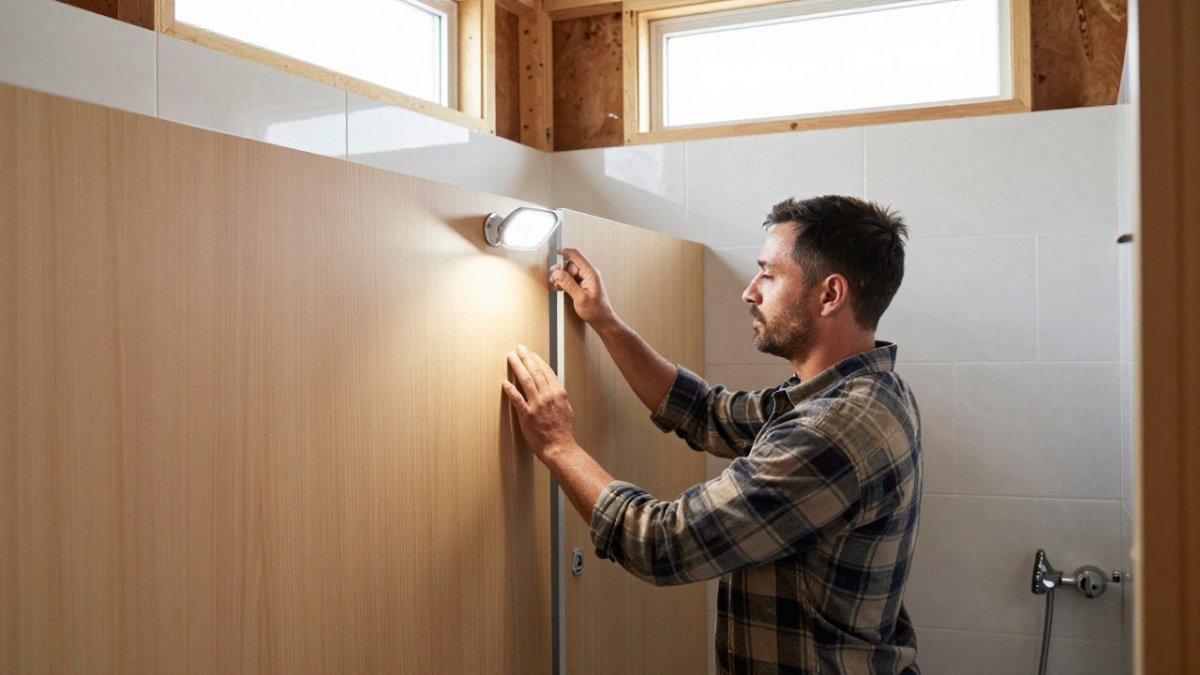
Shower walls are where a waterproof claim gets tested hardest, because they see direct spray, steam, and standing moisture at the base. Fibo states its panels are approved for wet-room zones including showers. That approval covers the panel system when it is installed per the manufacturer's instructions. The practical question is what those instructions require at each transition, because that is where the outcome is decided.
How water actually gets behind a panel
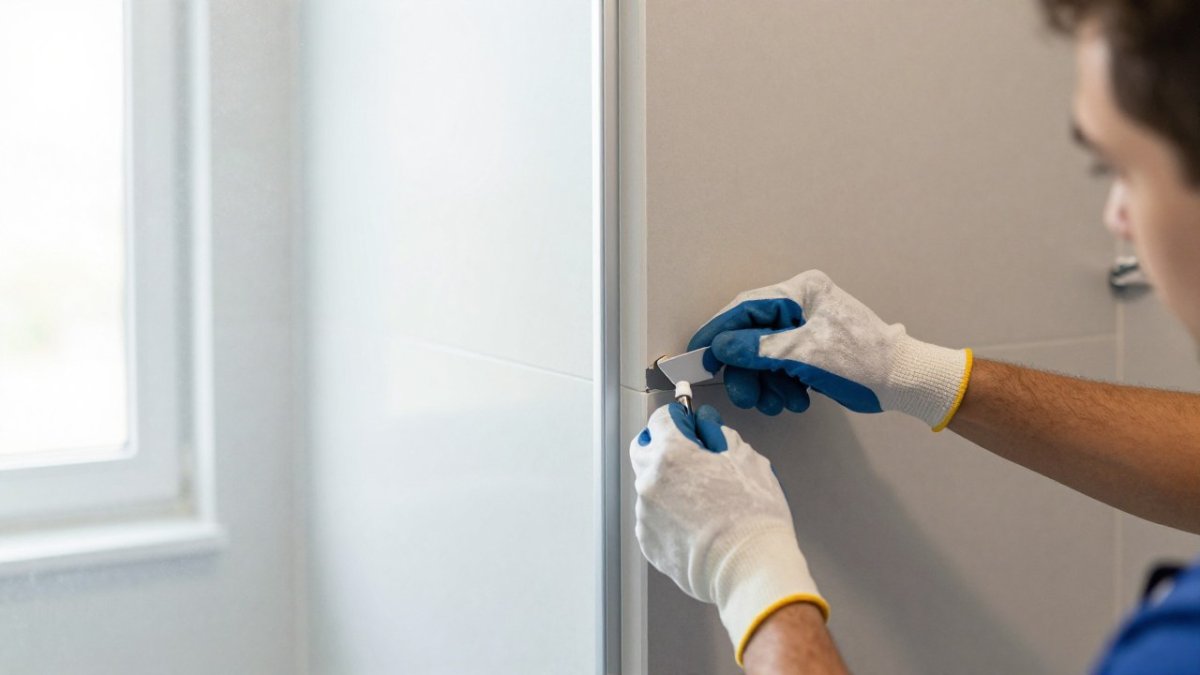
Water rarely passes through the face of a panel. It reaches the substrate at discontinuities: a joint where sealant is thin or missing, a corner where two planes meet, a cut edge that was not sealed, or a penetration where a fixture passes through the panel. Once water is behind the panel, it is trapped against the substrate with little airflow, which is the condition that supports mold and gradual damage. Understanding this mechanism is what lets you evaluate an installer's plan rather than just the panel brand.
Seams, corners, and edge sealing
Every joint is a potential entry point, and the manufacturer specifies an MS-polymer sealant for these locations rather than silicone. The reason is adhesion and flexibility: the sealant has to bond to the panel and to adjacent surfaces and move with the wall without cracking. A joint that is starved of sealant, applied over dust, or not allowed to cure will fail before the panel does.
- Vertical seams between panels need a continuous, properly sized bead of the specified sealant, tooled to a concave profile so it bonds to both faces.
- Inside corners concentrate stress and are the most common leak path; they should be sealed with the specified product and, where the system calls for it, a corner profile rather than sealant alone.
- Outside corners and end edges are exposed on two faces and need trim or a sealed profile, not a raw cut edge.
- Cut edges around the top, bottom, and any opening must be sealed, because the core is not the same as the face.
Watch out: a common failure is sealing over a joint that was not cleaned or was still damp. Sealant applied to a dusty or wet surface can look fine and still fail adhesion within months.
Penetrations: valves, showerheads, grab bars, and niches
Every hole through the panel is a place water can enter. The shower valve and showerhead escutcheons cover the opening but do not seal it; the seal has to be made at the panel, around the penetration, with the specified sealant and, where required, a sealing collar or trim ring. Grab bars and niches add more penetrations, and a niche is essentially a box cut into the wall with four interior corners to seal. Ask your installer to describe how each penetration is sealed before the fixture trim goes on, because once the trim is in place you cannot inspect the seal.
The base transition and the pan
The joint where the panel meets the shower pan or tub is a high-risk line because water pools there. The panel should not be relied on to shed water into the pan on its own; the transition needs a sealed detail and, depending on the system, a trim or profile. On a tub-to-shower conversion, the old tub deck and the new pan create a new transition that has to be planned, not improvised.
What to ask your installer
A useful test of an installer's plan is whether they can name the sealant product, describe the corner and edge details, and explain how each penetration is sealed before work starts. If the answer is vague, the panel brand will not save the installation. Ask any installer, including Revo Kitchen and Bath, to walk you through the sealing plan for your shower wall before any panel goes up.
Fibo Panels Waterproof for Bathroom Remodels and Tub Conversions
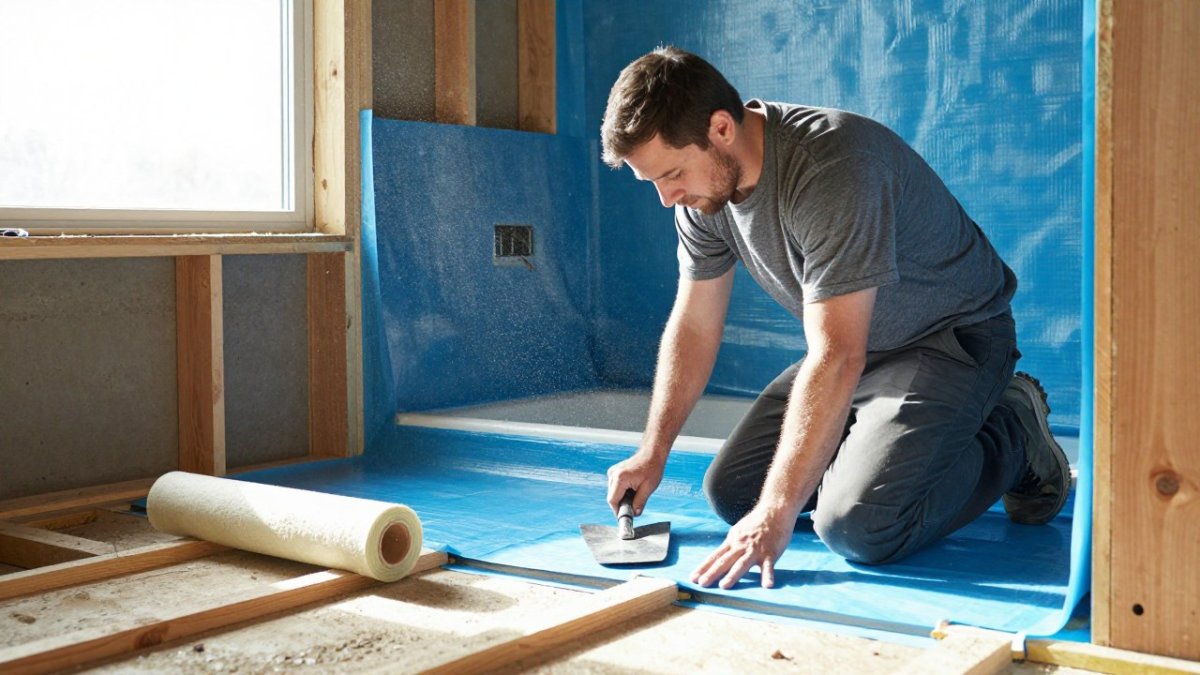
Fibo panels are often chosen for bathroom remodels and for converting a tub into a shower. Because these projects involve existing framing and older plumbing, the outcome depends heavily on preparation. The walls must be sound, dry, and suitable for the system before panels go up.
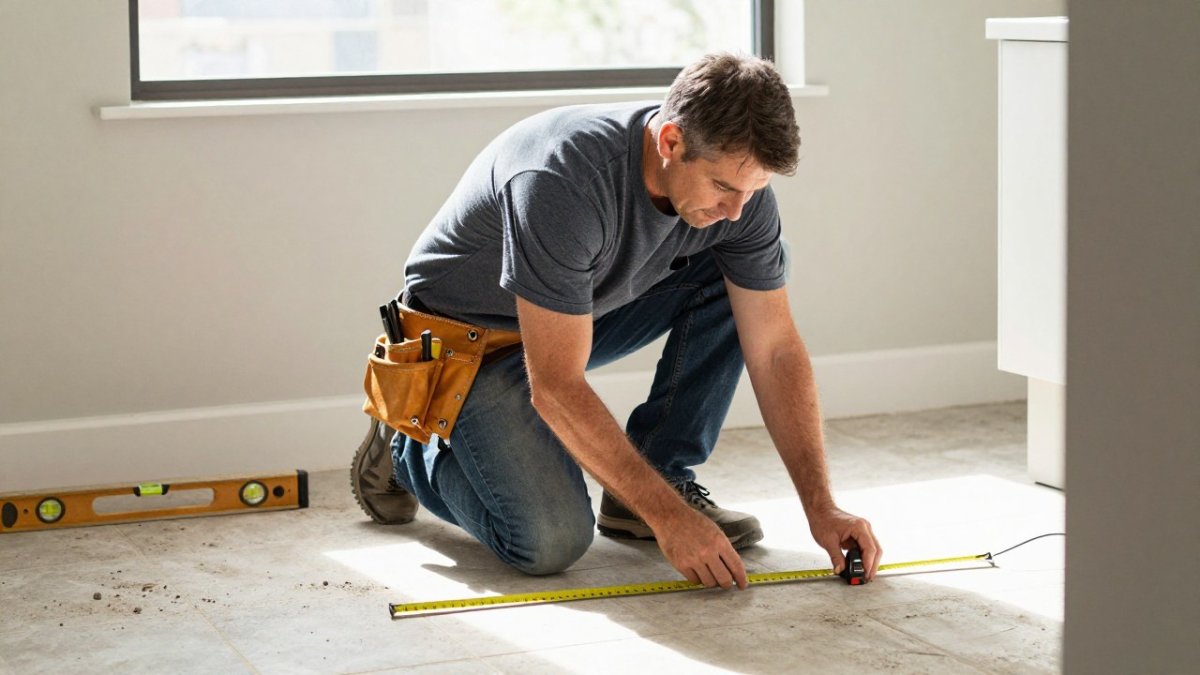
Tub-to-shower conversions raise specific questions about the pan, the transition at the tub edge, and how water is kept off the floor. Ask whether your installer will check the existing wall for moisture and damage before starting. A conversion done without that check can hide a leak that appears months later.
What Owners and Installers Say About Fibo Panels
Installer experience is worth weighing, and it is one reason we pay close attention to who does the work. An online discussion comment on Green Building Advisor said Fibo might be a good product but raised concern about finding a qualified installer. That is an individual comment, not a formal technical assessment, but it reflects a real issue: the system performs best when installed correctly.
We cannot point you to a body of independent owner reviews for this article, so we recommend asking any contractor for references on Fibo installations specifically.
Fibo Wall Panels Prices and Total Installed Cost
Most articles on Fibo panels either quote a single panel price or skip cost entirely. Neither helps you budget a shower. The useful number is the total installed cost of the finished wall, which is built from several line items that vary by project.
The line items that make up a Fibo wall
A Fibo shower wall quote should break down into these components. Ask for each one separately so you can compare bids apples to apples:
- Panels. The decor line you choose affects the cost, and panel count depends on wall height and width.
- Trim and profiles. Inside and outside corners, end profiles, and the ceiling and floor transitions are sold as separate pieces. A wall with two outside corners and a niche needs more trim than a flat three-wall alcove.
- Sealant. Fibo specifies its own MS-polymer sealant for joints and edges, and substituting a different sealant is not advisable.
- Substrate preparation. Patching, furring out out-of-plumb studs, replacing water-damaged drywall or greenboard, and addressing moisture are labor items. On older bathrooms this is often the largest variable.
- Labor. Installation time depends on wall count, number of penetrations (valve, showerhead, grab bars, niche), and how much prep the substrate needs.
- Plumbing and fixture work. Relocating a valve or adding a niche is a separate trade and should be priced separately.
- Disposal and protection. Tear-out of the old surround, haul-away, and floor protection are real costs that some bids bury.
Why a panel price alone misleads
A low panel price can sit on top of a substrate that needs replacement, which is where budgets blow up. The reverse is also true: a higher panel price on a sound wall with simple geometry can land at a lower total than a cheap panel on a wall that needs furring and repair. Compare the total, and compare what each bid assumes about the condition of your walls.
Watch out: a quote that lists only panels and labor, with no line for sealant, trim, or substrate prep, is either incomplete or planning to substitute materials. Ask which sealant and trim are included by name.
How Fibo compares on total cost to tile and other panel systems
Rather than quote a single figure that will not match your wall, compare the cost structure:
What to ask for in a written quote
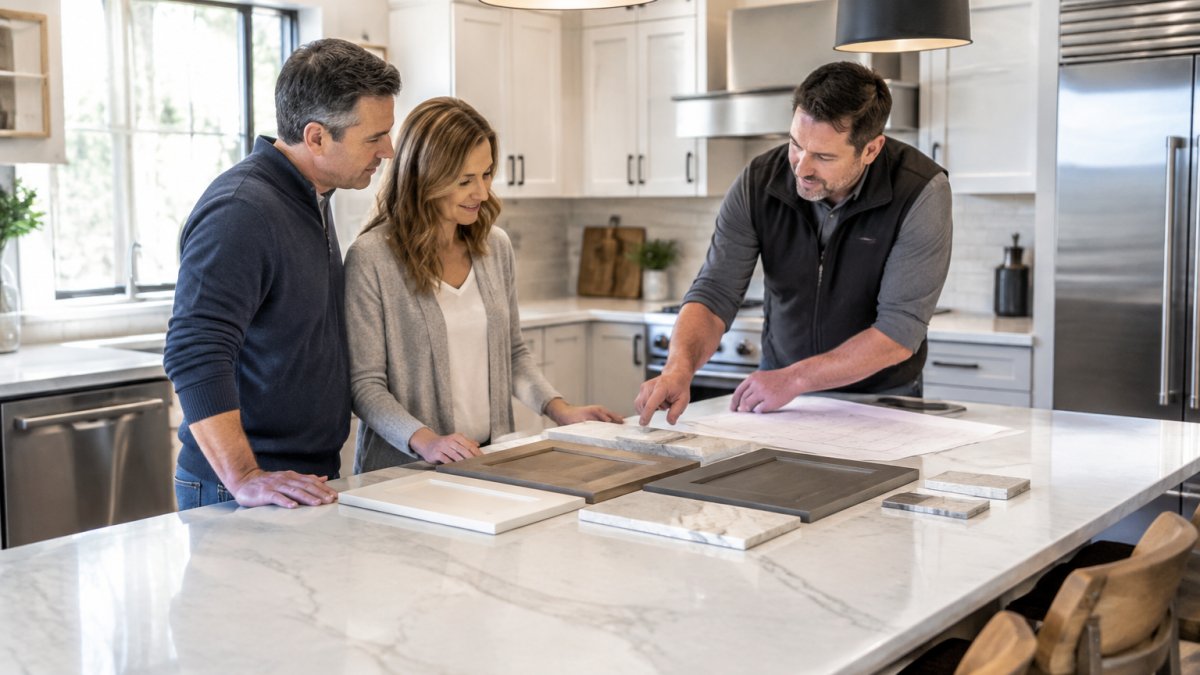
Request a line-item quote that names the panel decor, the trim pieces, the sealant product, the substrate prep scope, and the labor, plus a stated assumption about existing wall condition. That structure lets you compare bids and spot the one that is quietly skipping prep or sealant. For current pricing, request a quote from Revo Kitchen and Bath through the website.
Getting a Waterproof Shower Wall Quote for Your Home
Fibo panels can be a strong choice for a waterproof shower wall, but their performance depends on correct sealing, a suitable substrate, and an experienced installer. Before you decide, ask how the joints and penetrations will be sealed, what preparation the existing wall needs, and what warranty applies to the installed work.
Revo Kitchen and Bath is a third-generation builder with more than 30 years of hands-on experience, and we specialize in FIBO wall panels for shower conversions, bathroom renovations, and room additions across Southwest Washington.
Frequently Asked Questions
Are Fibo wall panels waterproof?
Fibo describes its wall panels as 100% waterproof and approved for all wet-room zones, including showers. That claim applies to the panel surface. The wall stays protected only when seams, corners and penetrations are sealed with the sealant the manufacturer specifies. Installation quality therefore matters as much as the panel itself. Ask your contractor to show the sealant product and the joint detailing before the wall is closed up.
Are Fibo panels waterproof enough for a shower?
For a shower, Fibo states its panels are approved for wet rooms. Whether the whole installed shower stays watertight depends on how the joints and penetrations are sealed and installed, so the decision should rest on the manufacturer's documentation and on a qualified installer's work.
Do Fibo panels need grout?
Fibo wall panels are installed as a complete panel system, so they do not use tile-style grout joints. The joints between panels are sealed with a specified sealant instead. This is one reason the sealant choice matters. Confirm the exact joint and sealant details with your installer before work begins.
What is the typical cost of Fibo shower panels?
Revo Kitchen and Bath has not published pricing for Fibo panel installations, and the manufacturer does not list product prices in the research available for this article. The total cost depends on the number of wall areas, the panel decor, the sealants and trim, the condition of the existing wall and whether a tub is being converted to a shower. For a price tailored to your bathroom, request a free quote from Revo Kitchen and Bath.